

You can return any time by using the sub-menu at the top of your screen.

Share this


Polymeric Sand Colors: Match or Contrast?
Outdoor patios, driveways, walkways, and more can be aesthetically pleasing and functional spaces that you and your whole family can enjoy for years. When it comes time to revamp these areas, selecting the right pavers for your project is just one aspect; polymeric sand application is another. Not only is polymeric sand a crucial step in the process, but you also want to ensure that you’re selecting the right polymeric sand color that will tie your project together from an aesthetic standpoint. Choosing the right polymeric sand colors for your specific surfaces is also about performance in the paver joints, since color affects how the eye reads the pattern while the sand itself stabilizes the layout on patios, driveways, and walkways.
Homeowners often ask whether polymeric sand colors should match the paver tone or contrast with it. A close match visually blends the joint sand with concrete pavers or natural stones so the field looks calm and continuous, while a contrasting color sample can highlight the laying pattern and individual units. Either approach can be right for patios, driveways, walkways, pool decks, and other outdoor surfaces; the decision depends on the look you want and the architecture around the space.
In this article, we will share some helpful tips to determine the best choice of polymeric sand color to complement your paver project. You will also learn simple ways to review color samples in daylight, understand coverage rate basics, and choose a polymeric sand formula that suits concrete pavers or natural stones.
What Polymeric Sand Color Should I Use for Different Paver Colors?
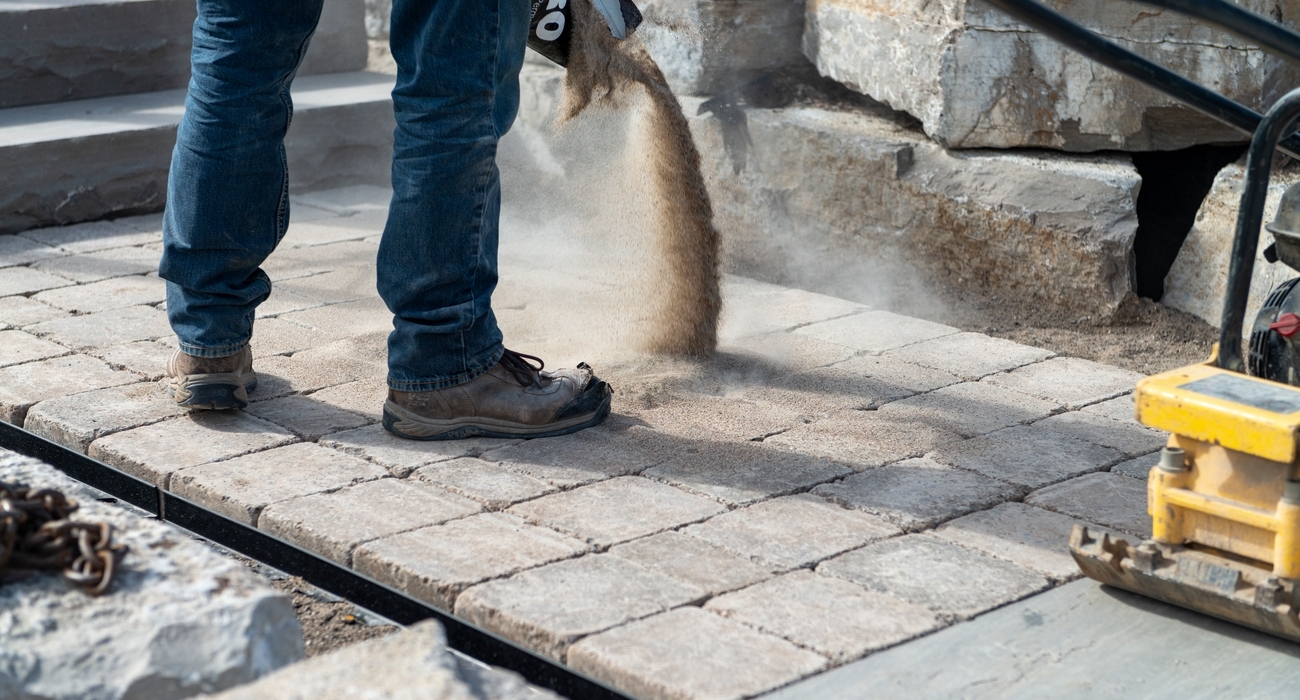
The choice of color can influence which element of your hardscape takes the spotlight. By seamlessly matching your jointing sand with the color of a specific paver, you can minimize the visibility of jointing lines and draw attention to the expanse of the surface. Alternatively, opting for a contrasting color can emphasize the individuality of each paver to create an eye-catching impact.
Unilock pavers come in a wide array of different hues, offering a variety of design possibilities. To emphasize a particular shade within the paver, it’s important to select a polymeric sand color that will complement that specific tone. When comparing polymeric sand colors, evaluate them in the exact location and lighting where the surface will live. Morning light, afternoon light, and landscape lighting can shift perceived color in the paver joints, so take color samples outdoors and look at them next to multiple paver units.
Grey Pavers
Grey-toned pavers offer flexibility in terms of design, as they can be used in modern, rustic, and traditional home settings. White, tan, or black polymeric sand will do the trick in complementing the high, low, and mid-end tones of a product like Umbriano® in French Grey, or the Granite hue of Westport™. For larger format concrete pavers in grey palettes, a grey joint sand creates a seamless slab-like read, while a black joint amplifies the grid for a sharp contemporary effect on patios and walkways.
Black Pavers
For black-hued pavers, such as our Elegance™ line in Basalt, black, grey, or tan-colored polymeric sands are ideal. Black on black pushes the eye to the overall surface, grey softens the look, and tan warms up nearby materials like wood steps or natural stones in borders.
Beige Pavers
For this example, let’s use Umbriano® pavers in the Summer Wheat shade. You can use black polymeric sand to bring out the darker undertones of that paver. Alternatively, for that same paver, you could include grey sand, which helps accentuate the mid-tones, or tan sand, which will blend with the highlights, creating a nuanced and textured appearance. In high sun areas, slightly darker polymeric sand colors can reduce glare and help the surface feel grounded, especially on larger driveways and expansive patios.
White Pavers
For a white-hued paver, such as Arcana™ in Modena, you can choose to use grey polymeric sand as a complement to the grey flecks within the paver product. Alternatively, black polymeric sand provides a stunning yin-yang juxtaposition that will allow the pavers to visually pop. If the project includes poolside surfaces, consider a mid-grey rather than jet black to moderate heat gain in the joints.
Brown Pavers
When working with brown-toned pavers like those found in our Beacon Hill™ Flagstone series in Fossil, consider using tan polymeric sand to blend seamlessly with the natural warmth of the pavers. Alternatively, brown polymeric sand can further enhance the earthy tones of the pavers, creating a cohesive and inviting aesthetic. Brown or tan joint sand also hides dirt better on high-traffic walkways and driveways, reducing the appearance of dust between maintenance cycles.
Red Pavers
For red-hued pavers such as Copthorne® in Burgundy Red, opt for a complementary black polymeric sand to accentuate the depth and richness of the red tones. Alternatively, brown polymeric sand can create a harmonious blend with the warmer undertones of the pavers, providing a visually striking look. If your edging or soldier course features natural stones in neutral greys, a charcoal joint pulls the elements together across surfaces.
How Polymeric Sand Colors Interact With Materials
Not every material reads color the same way. Concrete pavers usually have more uniform absorption, so polymeric sand colors appear consistent across the field. Natural stones often include veining and shade variation, which makes joint color selection more nuanced. Many homeowners search using natural stone, natural stones, and even natrual stone, all describe real stone units that benefit from a trial board with several joint sand options placed in sunlight. When in doubt, choose the hue that ties the most frequent tones together, not the rarest accent color.
Understanding Paver Joints and Joint Sand Basics
The width and depth of the paver joints influence how prominent your polymeric sand color appears. Wider joints show more sand and therefore make the color choice more visible from a distance. Narrow joints de-emphasize the color, which can be useful on minimalist patios and walkways. Joint sand also contributes to interlock and helps resist washout and weed growth when properly compacted and activated. If your surface includes curves or borders using natural stones, plan joint color transitions so everything feels intentional.
Coverage Rate Guidelines for Planning
Coverage rate varies with joint width, paver thickness, and surface texture. As a planning note, many 50 pound bags list a coverage rate range that changes dramatically between narrow and wide joints. A project with tight joints on small-format concrete pavers may need fewer bags per 100 square feet than a tumbled, textured surface with wider gaps. Always check the manufacturer data, purchase an extra bag for touch-ups, and keep labels so you can match the same polymeric sand colors in the future.
Color Samples and On-Site Mockups
Digital tools are helpful, but on-site color samples are the most reliable way to choose polymeric sand colors. Create a small test area using leftover pavers and place a few lines of dry joint sand in different colors. View the mockup in morning and afternoon sun and again under exterior lighting. Walk twenty feet away to judge how the paver joints read at real viewing distances on driveways and large patios.
Tips for Choosing the Right Polymeric Sand Color
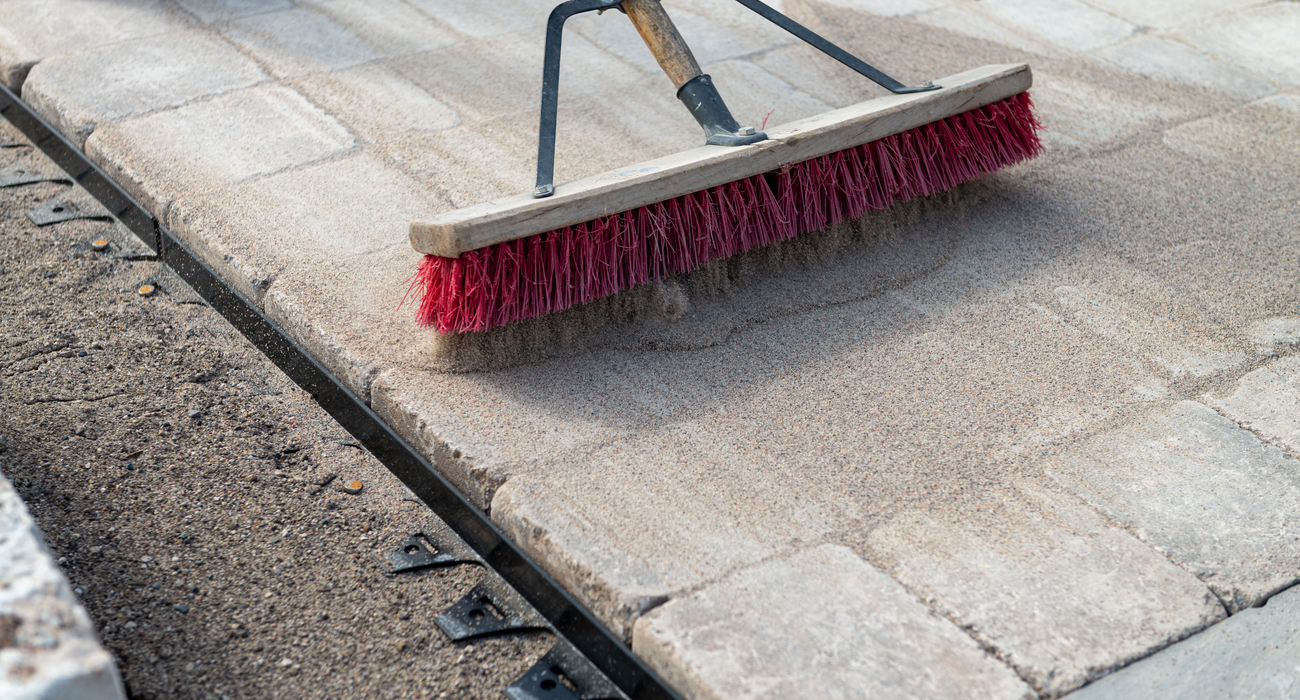
Here are a few more tips to help you choose the right polymeric sand color for your hardscape project. Start with the main field color, then consider any borders, inlays, or step treads that touch the same surfaces. A single joint color that complements all adjacent materials will feel more cohesive than switching colors across short transitions.
Harmonize Polymeric Sand Color with Your Home’s Exterior
One approach is to extend an accent color from your home’s exterior into your polymeric sand selection.
For example, if you live in a home built with rustic red and brown bricks, selecting a beige or tan polymeric sand will do wonders in complementing the mid-tones of the brick façade. Another example would be an ultra-modern bungalow sporting a yin-yang color combination. The black and white façade of brick or wood paneling begs for a complimentary black or white polymeric sand color. Remember that the polymeric sand color should complement your surrounding pavers rather than an exact color match. By selecting a polymeric sand color that harmonizes with your home’s exterior hue, you achieve visual symmetry and accentuate existing features, such as window panes, doors, or patio accents. If your landscape mixes concrete pavers with natural stones, pull a color from the dominant element so the joint sand supports the overall composition across all surfaces.
Consider Use Case and Maintenance
Function informs color. Driveways see tire marks and dust more often than patios, so slightly darker polymeric sand colors can reduce visible grime in the paver joints. Walkways near gardens collect soil and organic matter, so tan or grey sands may appear cleaner between washings than pure white. For covered patios where shade cools the color temperature, a lighter joint sand can keep the space bright.
Finish, Texture, and Perception
Smooth, contemporary units make joint lines crisp, which amplifies contrast when you choose darker sands. Textured or tumbled pavers diffuse edges, so mid-tone sands usually look most natural. If your project includes glossy accents like metal railings, a darker joint can help ground the scene so the eye is not pulled only to reflections on the surface.
Do a Trial Run First
Sometimes, testing out a product is the safest way to ensure you’re selecting the best option before making a final decision. When it comes to landscaping materials like joint sand, this may be a challenge. Fortunately, Unilock provides a simple solution. When you visit the Unilock website product listings, you’ll find that select products, such as Umbriano® and our Elegance line, offer a unique feature that allows you to digitally apply different colors of polymeric sand to your pavers. This tool, located on specific product pages, provides a quick visual reference, helping you envision your project without relying solely on your imagination.
If you prefer a more hands-on approach, you can visit one of our Outdoor Idea Centers to see the combinations in person. Additionally, consulting with a Unilock Authorized Contractor can provide valuable guidance based on their expertise in achieving desired results and understanding how different options work together in harmony. Bring a few representative pavers from your site to compare against color samples. Note the coverage rate on the bag or data sheet, especially if your layout includes mixed formats where joint width changes. Ask your contractor to create a small wet and dry mockup because polymeric sand colors can appear slightly deeper after activation.
Installation Notes That Affect Final Color
Compaction and activation influence appearance. Under-filled joints can look patchy and make the polymeric sand color appear uneven. Over-filled joints can sit proud of the chamfer and catch dirt. After sweeping and compacting, top off the joints to the correct height, then activate with the manufacturer’s water schedule. Proper steps keep the color consistent and help the joint sand perform in freeze-thaw conditions.
Sealing and Color Perception
If you plan to seal later, remember that a wet-look sealer can deepen paver tones and slightly change how polymeric sand colors are perceived next to concrete pavers or natural stones. Choose the sand color you like in both dry and damp conditions, then test a small sealed area before treating large surfaces.
Sustainability and Heat Considerations
In full sun, very dark joint colors can run warmer than mid-tones, which may matter around pool decks and south-facing patios. Lighter polymeric sand colors can moderate perceived heat and brightness on reflective surfaces, while still delivering strong joint performance.
Putting It All Together
Start with your primary field color, gather two or three polymeric sand colors that complement it, mock them up in place, compare under different lighting, review coverage rate for your layout, and choose the option that makes the pattern, borders, and nearby materials feel cohesive. With a little testing, you can select polymeric sand colors that look great today and continue to perform for years across patios, driveways, walkways, and other outdoor surfaces.
Related
Articles
We’re Here To Help
We make it easy to get inspired, plan, and start your project.

See our Catalog of Dreams
Explore ideas, spark inspiration, and see our full range of Unilock products.

Get your freeestimate today
Partner with a Unilock Authorized Contractor for best-in-class results.

Plan your dream project beautifully
Excited to start a new project? Get our Project Planning Guide and plan with ease.