

You can return any time by using the sub-menu at the top of your screen.
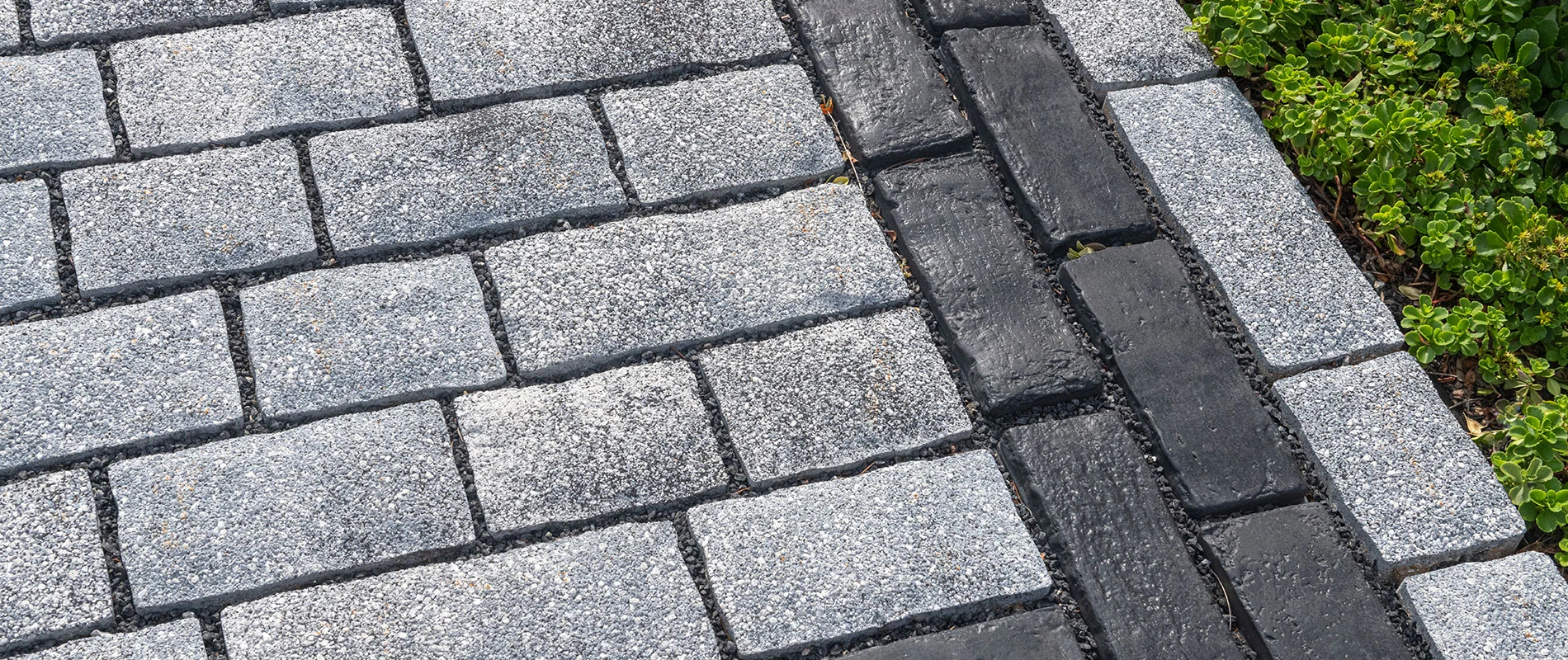

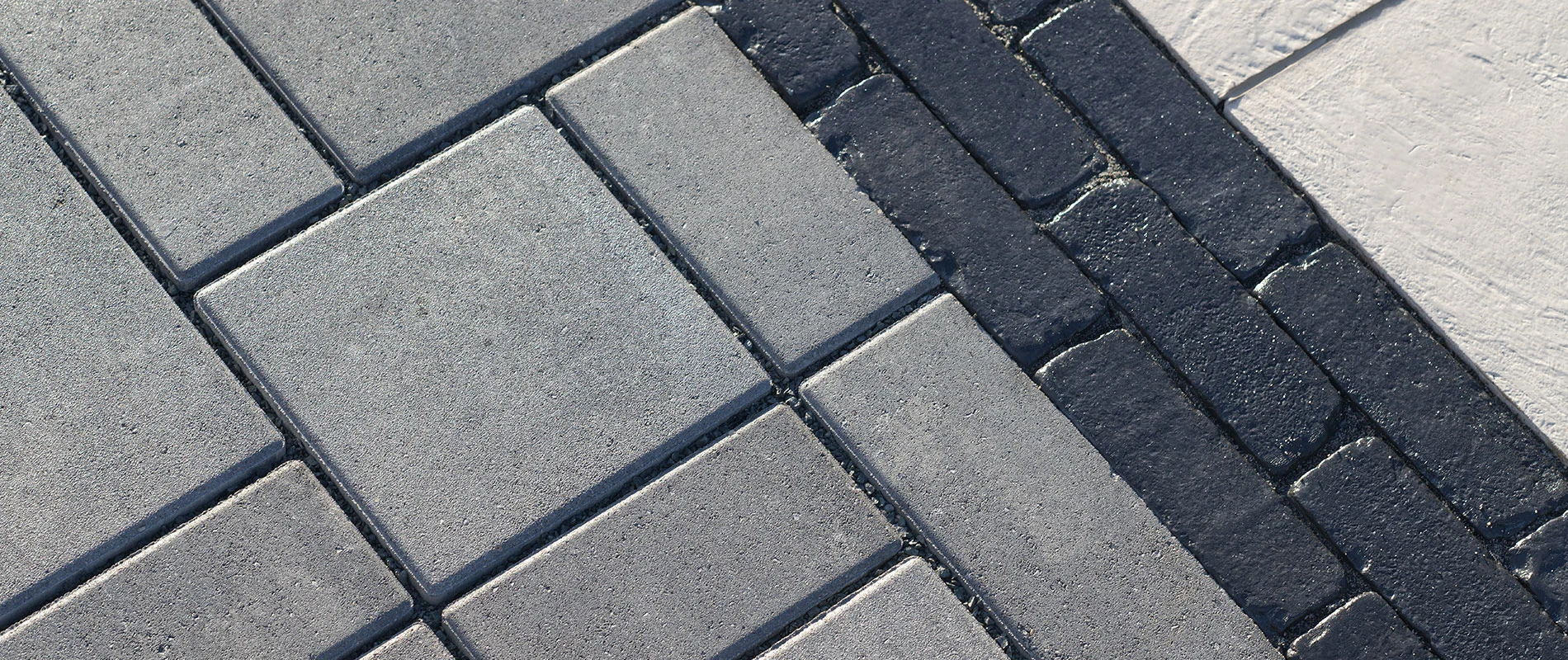
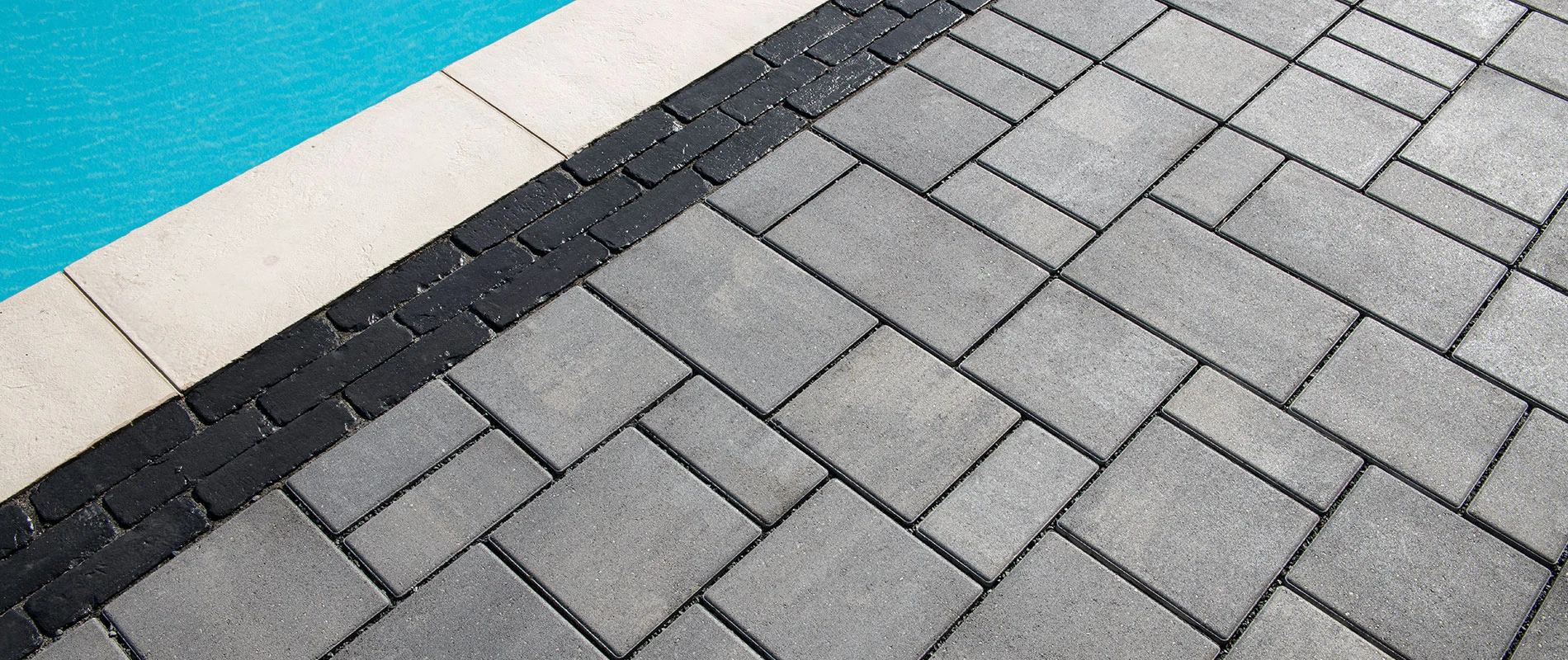
Permeable pavers have been used in large scale commercial projects as a sustainable choice for decades, but today more and more homeowners are choosing them to create eco-friendly residential driveways and patios. Designed with larger joint spacing and installed on an open graded base, they help direct stormwater into the subsoil where it can nourish surrounding landscapes instead of overwhelming storm sewers potentially causing flooding. As the first manufacturer in North America to produce pervious pavers, Unilock is the leader with a wide selection of unique permeable styles that bring both beauty and sustainability to any project.
Open Filters

ECO-HEX™
Permeable hexagonal paver that boasts unique patterning options.
Driveway Pavers, Pavers and Paving Stones, Permeable, Walkway Pavers
ECO-PRIORA™
Permeable paver with simple shapes and smooth surface texture.
Driveway Pavers, Pavers and Paving Stones, Permeable, Walkway Pavers
ECO-PRIORA™ PREMIER
Permeable EnduraColor paver with a simple shape and smooth surface.
Driveway Pavers, Pavers and Paving Stones, Permeable, Walkway Pavers
ECO-PROMENADE ECOTERRA™
Long, linear plank paver manufactured with EcoTerra technology.
Driveway Pavers, Pavers and Paving Stones, Permeable, Walkway Pavers
ECO-PROMENADE®
Permeable plank style paver capable of handling vehicular loads.
Driveway Pavers, Pavers and Paving Stones, Permeable, Walkway Pavers
NORDIC COBBLE®
Randomized cobble faces ideal for borders and circular patterns.
Driveway Pavers, Pavers and Paving Stones, Permeable, Walkway Pavers
SERIES™
Popular non-slip paver with unique granite-like surface texture.
Driveway Pavers, Pavers and Paving Stones, Permeable, Walkway Pavers
TOWN HALL®
Timeless look modelled after North American clay street pavers.
Driveway Pavers, Pavers and Paving Stones, Permeable, Walkway Pavers
TREO™ SMOOTH
Smaller size of Beacon Hill Smooth with similar paver traits.
Pavers and Paving Stones, Permeable, Walkway PaversWe’re Here To Help
We make it easy to get inspired, plan, and start your project.

See our Catalog of Dreams
Explore ideas, spark inspiration, and see our full range of Unilock products.

Get your freeestimate today
Partner with a Unilock Authorized Contractor for best-in-class results.

Plan your dream project beautifully
Excited to start a new project? Get our Project Planning Guide and plan with ease.
PERMEABLE PAVERS FOR DRIVEWAYS AND PATIOS

WHAT IS A PERMEABLE PAVER?
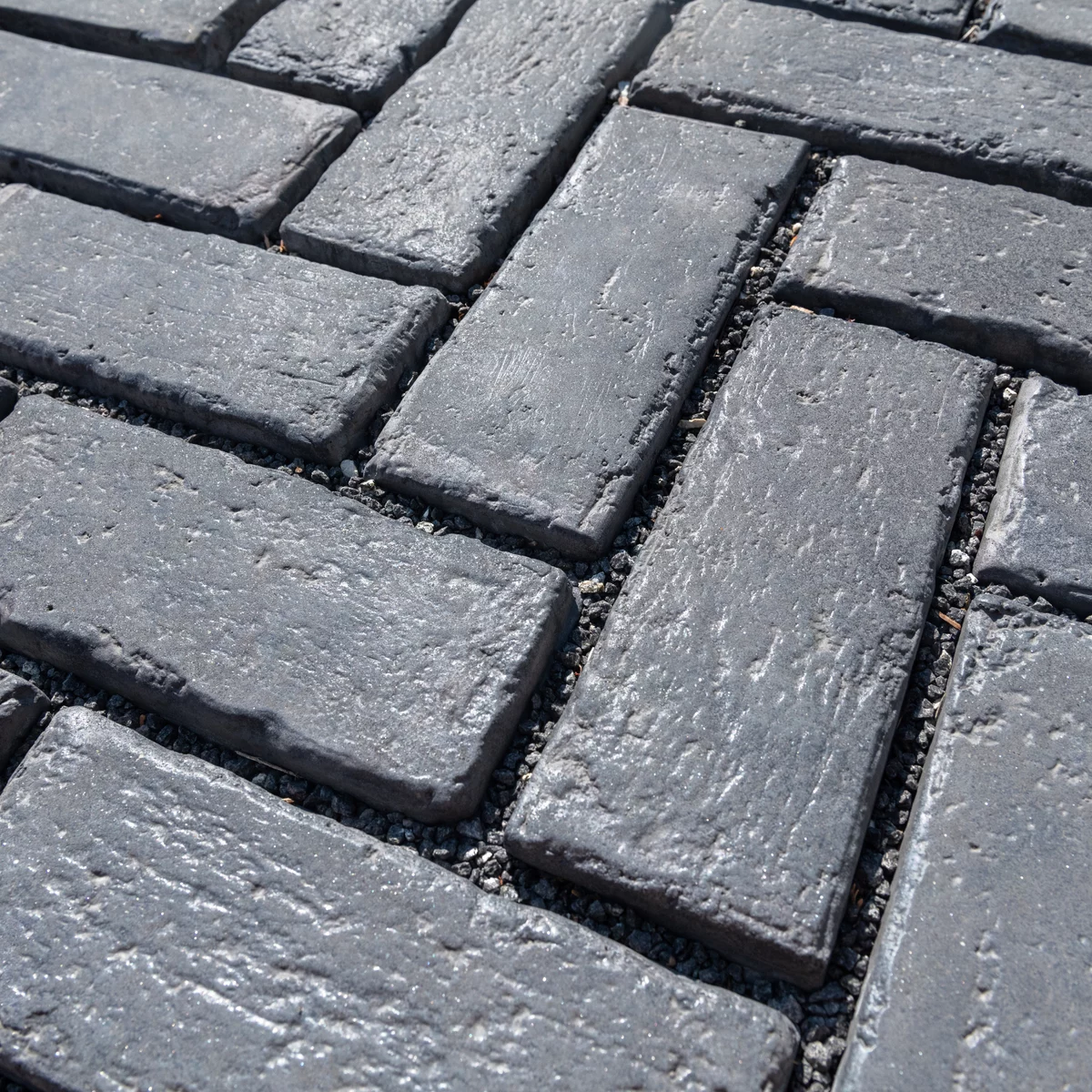
Unilock permeable pavers are designed with special spacer bars to create wider joints, allowing stormwater to flow through and infiltrate the subsoil below. While technically any paver can allow water to pass, true permeability depends on factors like base material, joint width, void percentage, and joint fill type. Together, these elements can help maximize water infiltration, reducing strain on municipal stormwater systems.
For optimal performance, a common base material used in non impervious paver installations is a clear angular stone with no sand fines, which will create a stable and effective drainage system. By incorporating water permeable pavers into your landscape, you’re not only enhancing the beauty of your outdoor space but also contributing to sustainable water management practices.
NAVIGATE RESTRICTIONS ON IMPERMEABLE SURFACES FOR YOUR PROPERTY
As communities become more environmentally conscious, many municipalities are beginning to limit the amount of impermeable surface space allowed on residential properties. Some areas may even impose a stormwater tax based on the extent of impermeable surfaces you have. Fortunately, permeable pavers provide a practical solution. With these innovative water permeable materials, you can create spacious patios, driveways, pool decks, or walkways while potentially enjoying tax-saving benefits. Additionally, before starting your project, check with your local municipality about specific regulations and potential incentives.
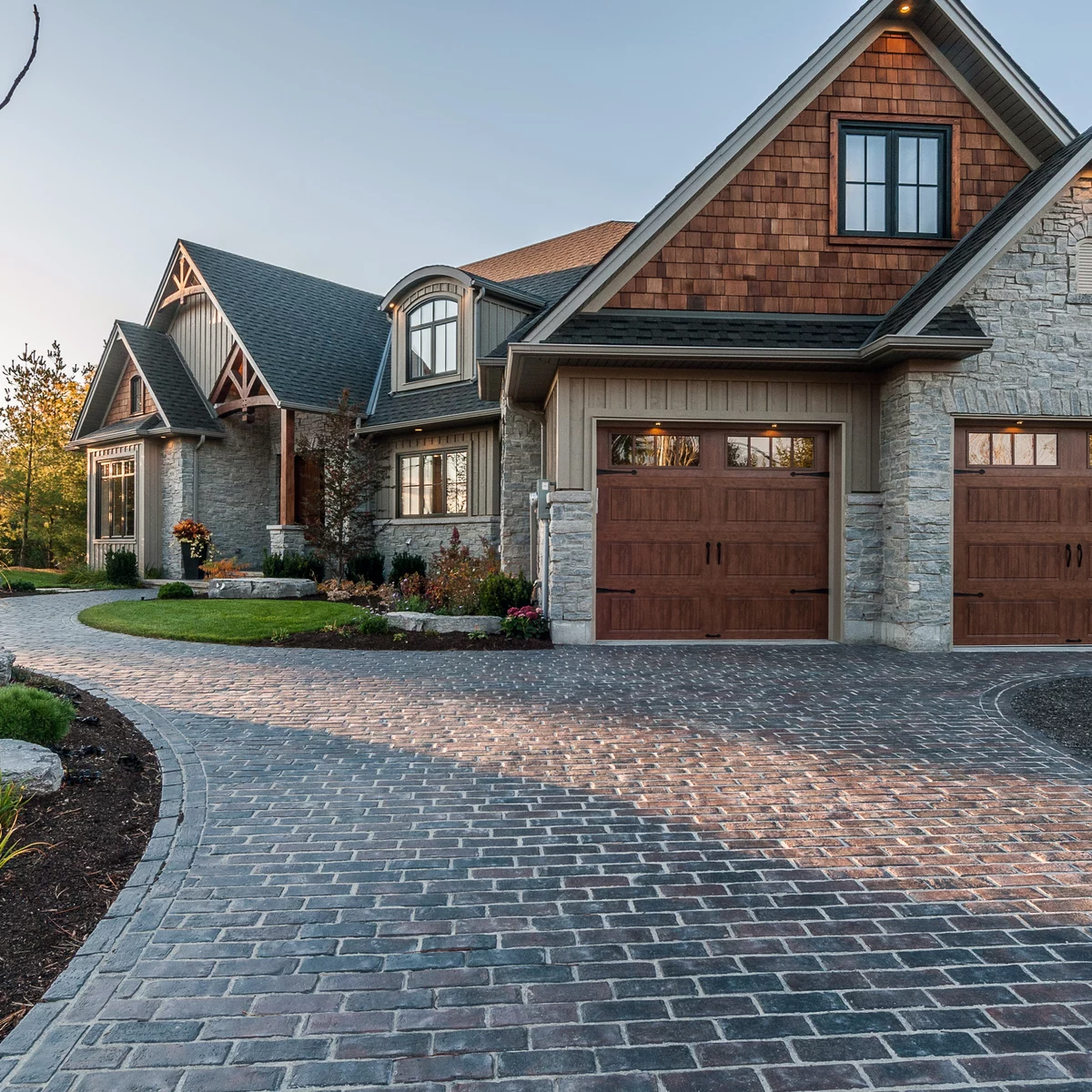
BENEFITS OF PERMEABLE PAVERS
Prevent Flooding on Your Patio, Driveway, or Walkway
During heavy rain, permeable pavers help prevent yard flooding by allowing water to drain through wider joint gaps and into a permeable base, which reduces the amount of runoff directed to storm drains and lessens strain on local drainage systems. By managing water on-site, permeable driveway pavers can also help prevent water from accumulating near your foundation, which can be a key factor in reducing flood risks to your home.
Prevent Soil Erosion and Nurture Surrounding Plant Material
These pavers do do wonders for the plants around your home. By allowing rainwater to filter through, they help keep the soil moist and support plant roots, which is essential in preventing soil erosion from dry or withered grass, especially in drought-prone areas. This is particularly important for your garden and landscaping, as healthy plants contribute to a vibrant outdoor space.
Reduce Puddling and Ice Buildup in the Winter
If you’ve ever slipped on ice in your driveway, you know how important it is to keep your outdoor spaces safe. Thanks to wider joint gaps, they help reduce excess rainwater pooling on the surface, meaning less water can freeze, reducing winter slip spots and decreasing wear on the driveway blocks caused by freeze-thaw cycles. Request a Design Catalog
0 - 11 OF 11 ITEMS
