

You can return any time by using the sub-menu at the top of your screen.
Share this


How Your Landscape Design Project Can Benefit the Environment
When we think about climate change, we often focus on large-scale industrial practices, but personal choices—like how you design your landscape—can also play a critical role in environmental sustainability. Tackling a landscape project in your backyard is a wonderful opportunity to make a positive, lasting impact on both the planet and your home. In this article, we’ll explore the environmental benefits of a sustainable landscape design with helpful tips you can use to start reducing your carbon footprint.
The Benefits of Sustainable Landscape Design
One of the most significant environmental benefits of sustainable landscape design is its potential to reduce your carbon footprint. Plants, especially trees and shrubs, are vital in carbon sequestration by absorbing carbon dioxide from the atmosphere. These living systems continue to sequester carbon long after your landscape project is complete, helping to mitigate the effects of climate change.
Using local materials for pathways, patios, and other hardscape elements reduces transportation-related emissions, making your project more eco-friendly. You can also incorporate renewable energy into your landscape with features like solar-powered garden lights and water fountains, further lowering your energy consumption.
Implement Eco-Friendly Paving Solutions
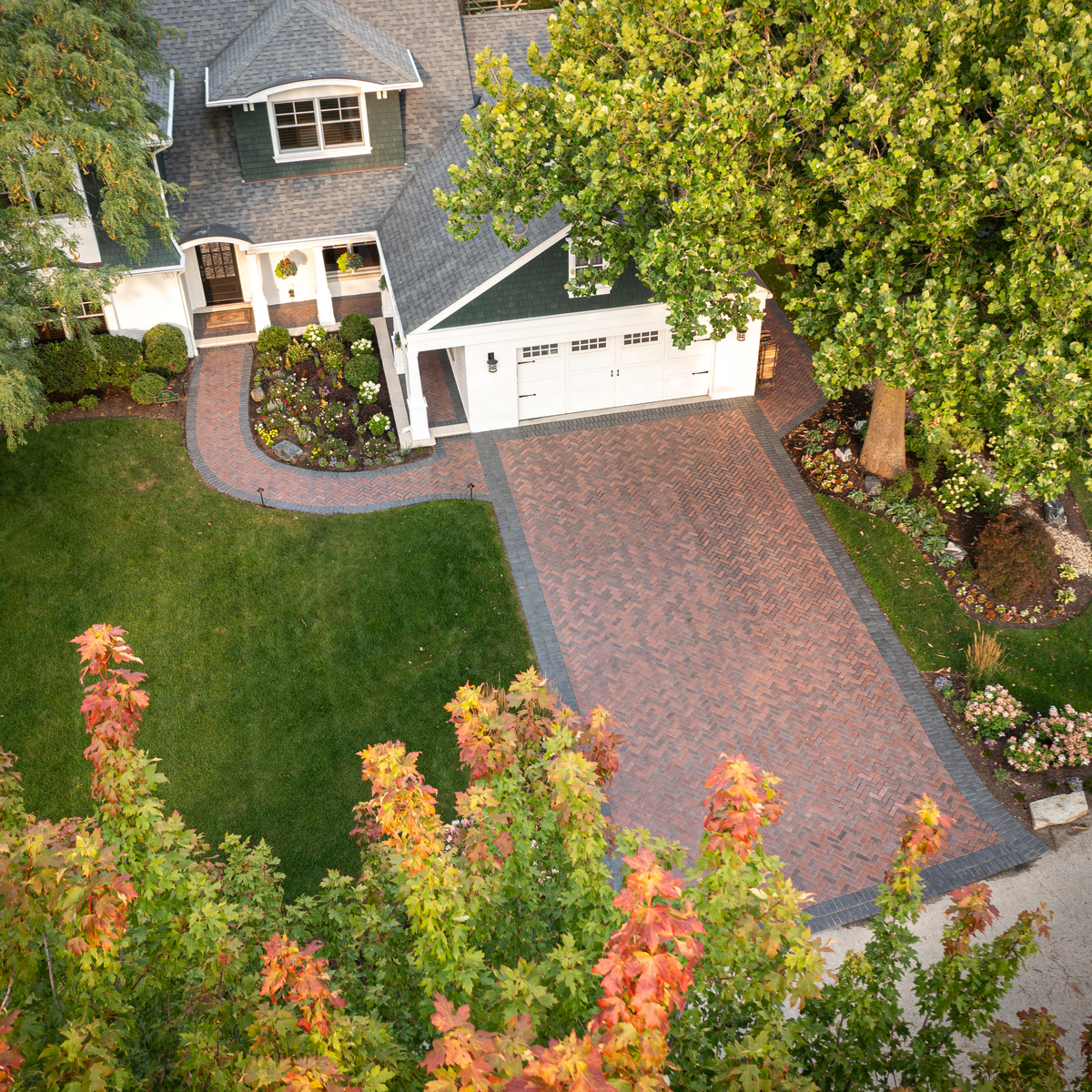
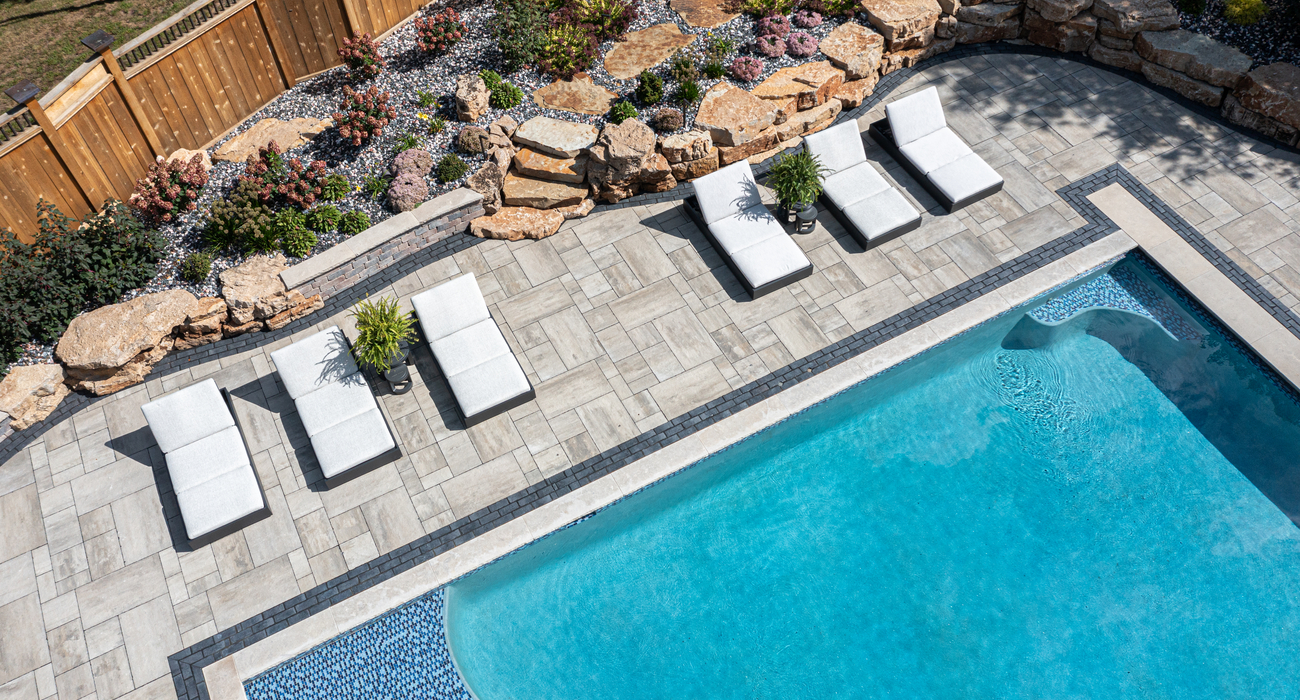
Permeable pavers can effectively manage stormwater by allowing rainwater to filter back into the ground, replenishing the subsoil, and reducing runoff. This helps prevent flooding, especially in areas prone to heavy rainfall.
For a more sustainable approach, consider using cement-free or cement-reduced concrete like EcoTerra™ technology. This innovative option features a 100% cement-free surface, reducing carbon emissions by up to 15%, offering an eco-friendly alternative without sacrificing durability.
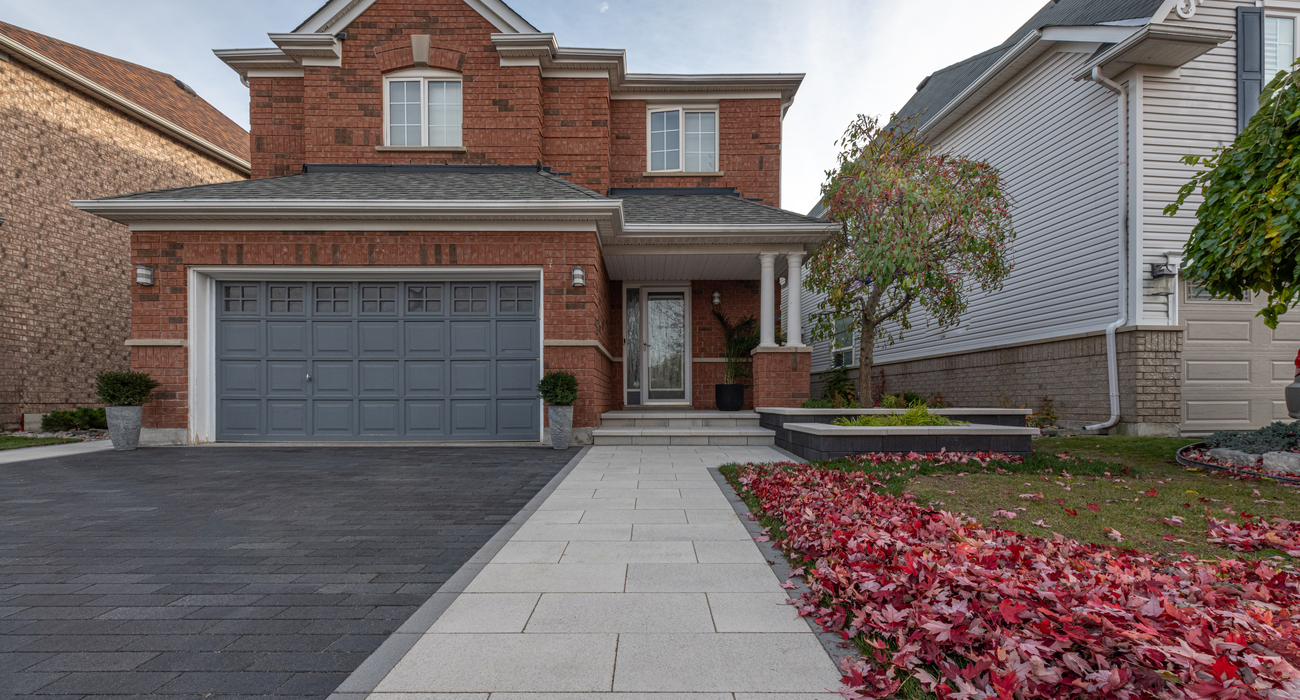
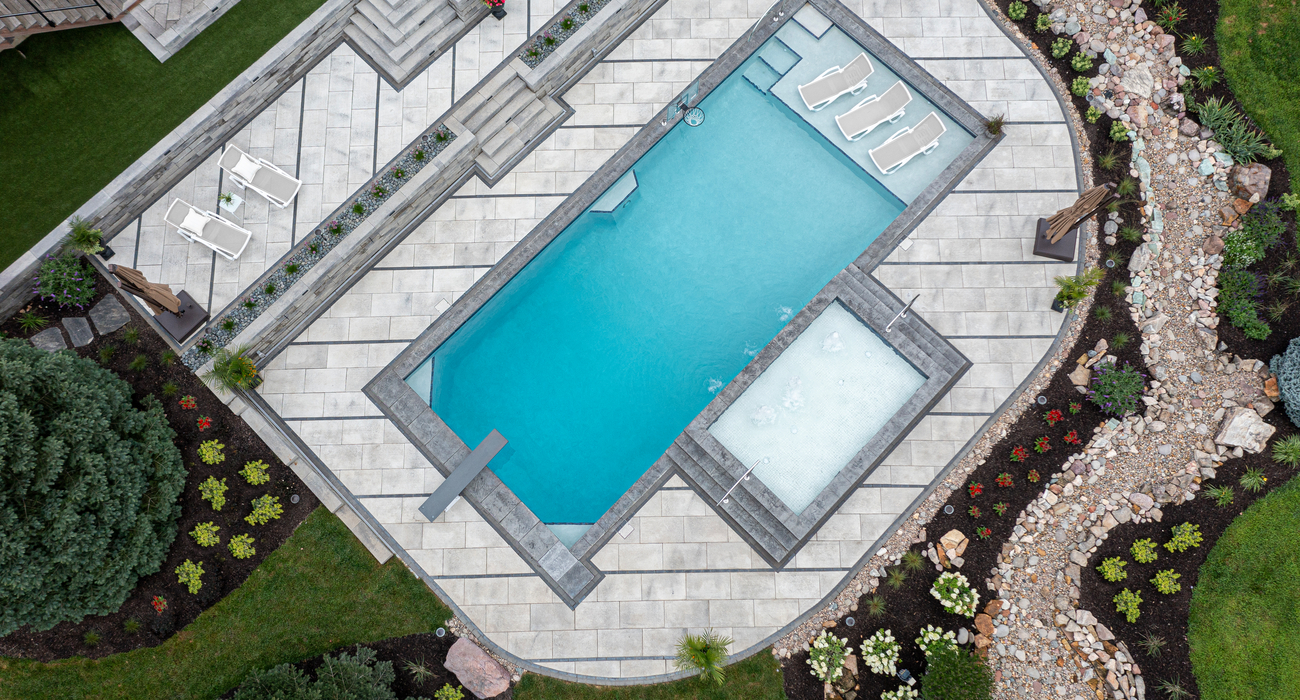
Additionally, eco-friendly paving solutions can mitigate the urban heat island effect by using materials that allow for better heat dissipation. Permeable pavers facilitate air and water movement, which cools the surface, while light-colored pavers reflect sunlight, reducing heat absorption. Together, these features help keep surrounding areas cooler, making them especially practical for heat-sensitive spaces like pool decks and backyard patios.
Create a Biodiverse Environment
Native plants are adapted to your region’s conditions, which means they’re hardier and less reliant on intensive maintenance. These plants can also provide crucial habitats for wildlife such as birds, butterflies, and bees. Choosing native plants for your landscape offers necessary support to local ecosystems and reduces the need for water, fertilizers, and pesticides.
Additional design elements for your outdoor landscape, such as birdhouses, outdoor water features, and pollinator gardens, can also help create small habitats that attract and sustain beneficial wildlife. You can also use natural pest control methods, such as companion planting or introducing beneficial insects like ladybugs—to protect your garden and enhance biodiversity.
Reduce Water Usage in Your Outdoor Landscape
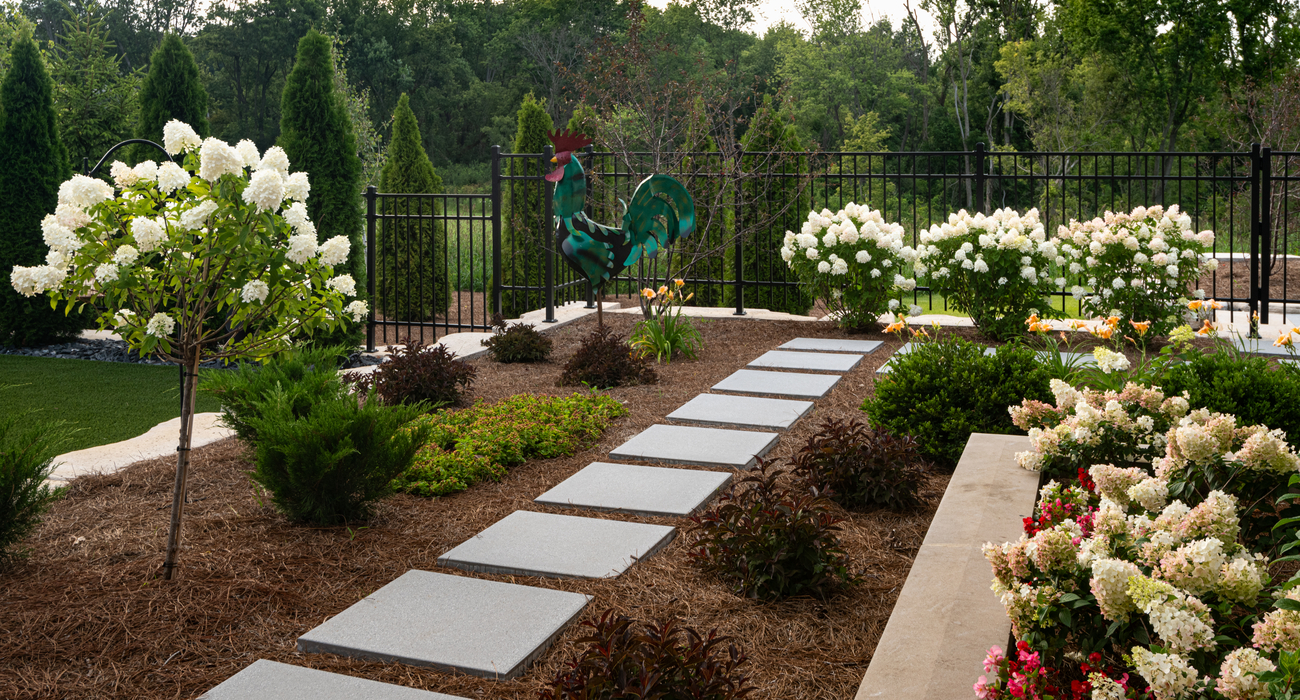
Water conservation is another critical aspect of sustainable landscape design. Choosing drought-resistant plants, such as succulents and ornamental grasses, drastically reduces the need for irrigation. Beyond plant selection, installing efficient irrigation systems, like drip irrigation and smart controllers, ensures water is used effectively while minimizing waste.
Rainwater harvesting is also an effective, eco-friendly solution for collecting and storing rainwater to use during dry periods. When combined with a permeable paver installation, rainwater can naturally infiltrate through the joints, reducing runoff and allowing excess water to be stored for future irrigation needs. This not only cuts down on reliance on treated municipal water but also promotes a healthier landscape by utilizing a free, sustainable water source—all while saving money and conserving vital resources.
Consider Healthier Soil Additives
Healthy soil is the foundation of a sustainable landscape design. Adding compost to your soil not only enriches it with nutrients but also improves its ability to retain moisture, reducing the need for synthetic fertilizers. Using organic mulch around plants helps further by locking in moisture, suppressing weeds, and enhancing soil quality as it breaks down over time.
Adopting a no-till gardening approach enhances soil structure by preserving nutrients and organic matter, reducing erosion, and minimizing soil disturbance. It improves water retention, fosters beneficial microorganisms, and lowers carbon emissions by avoiding heavy equipment use. The undisturbed soil promotes better plant health and minimizes the environmental impact of traditional tilling.
Minimize Using Chemicals
Synthetic fertilizers, herbicides, and pesticides can have several downsides to their usage in outdoor spaces. These products often contain harsh chemicals that not only harm beneficial insects and wildlife but can also pollute water sources via runoff. Instead, try to minimize chemical use as much as possible. Opt for organic fertilizers, which nourish plants naturally without contributing to water pollution through chemical runoff. Natural pest control methods, such as introducing beneficial insects or using non-toxic repellents, help maintain plant health without harmful side effects. Exploring non-toxic alternatives for weed and pest management, like vinegar-based herbicides, crushed egg shells, or essential oils, can also create a safer environment for both your family and local wildlife.
Create an Energy-Efficient Landscape
The way you design your landscape can significantly impact your home’s energy efficiency. Planting shade trees in strategic spots around your yard can reduce the need for air conditioning by naturally cooling your home during the hot summer months. Additionally, creating windbreaks with rows of trees or shrubs can protect your home from harsh winds in winter, helping to lower heating costs.
If you live in an urban area with limited space for tree growth, incorporating green roofs and living walls can offer natural insulation and help mitigate the urban heat island effect. These features not only cool buildings and outdoor areas but also add aesthetic and environmental value to densely populated spaces.
Other Sustainable Landscape Design Practices
Beyond individual projects, you can incorporate broader sustainable landscape design principles to further minimize environmental impact:
- Xeriscaping: Design landscapes that require little to no irrigation, reducing water usage and promoting responsible resource management.
- Permaculture Principles: Create self-sustaining landscapes that mimic natural ecosystems, fostering healthy soil, plants, and water cycles.
- Recycled Materials: Incorporate reclaimed wood for garden beds, repurposed stone for walkways, and other recycled materials to minimize waste and improve resource efficiency.
- Leverage Tools and Calculators: A Clean Air Calculator allows you to explore the capacity of plants to capture carbon and provide cleaner, cooler air at your home.
- Local Environmental Initiatives: Engage in community gardens, conservation programs, and other local projects to expand your sustainable practices beyond your own property.
- Hire an Eco-Conscious Contractor: Partner with a LEED-certified, eco-friendly contractor who prioritizes sustainable materials and biophilic design principles in their designs, ensuring your project aligns with green building practices.
A sustainable landscape design is more than just an investment in your home; it’s an investment in the environment. By enhancing biodiversity, improving soil health, reducing water usage, and supporting carbon sequestration through trees, plants, and soil, your landscape can actively contribute to environmental sustainability while creating a beautiful and functional outdoor space.
Ready to make your landscape more eco-friendly? Let us connect you with a local Unilock Authorized Contractor who can help explore sustainable landscape design ideas for your next project.
Related
Articles
We’re Here To Help
We make it easy to get inspired, plan, and start your project.

See our Catalog of Dreams
Explore ideas, spark inspiration, and see our full range of Unilock products.

Get your freeestimate today
Partner with a Unilock Authorized Contractor for best-in-class results.

Plan your dream project beautifully
Excited to start a new project? Get our Project Planning Guide and plan with ease.