

You can return any time by using the sub-menu at the top of your screen.
Share this


Choosing the Right Paver Colors
Selecting paver colors sets the tone for the entire outdoor space. The right palette can make a small patio feel larger, cool a sunny pool terrace for bare feet, and hide everyday dust on driveways and pathways. This guide focuses on how to choose paver colors with confidence, using helpful checks for sunlight, architecture, and function so your outdoor living space looks cohesive for the long run.
Start With Purpose and Use
Begin by defining how the outdoor area will be used. A pool deck, an outdoor kitchen, and a front walk each ask for different performance from outdoor pavers and different shades to match the setting.
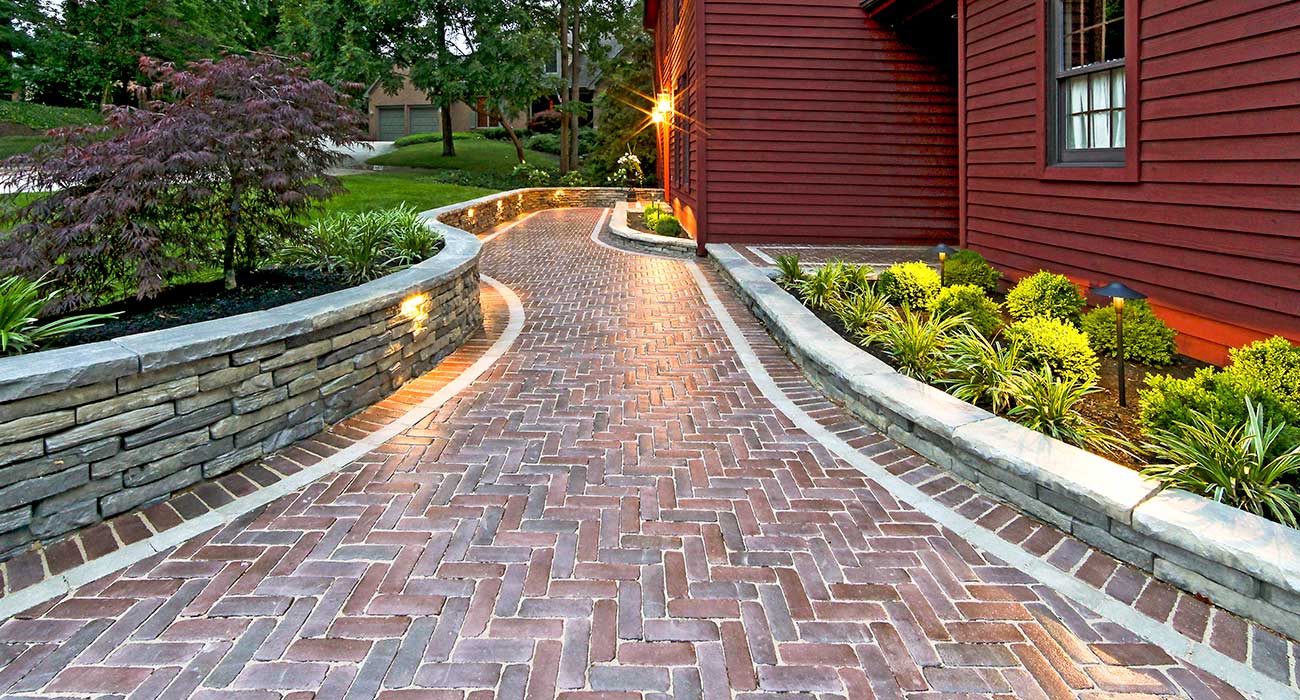
If you expect heavy foot traffic from family and guests, darker colors and variegated colored pavers often mask footprints and minor spills. For a pool or lakeside retreat where bare feet meet sun-warmed stone, light colors and soft gray pavers stay more comfortable. For a formal entrance that needs presence from the curb, a richer field color with a defined border can deliver a confident first impression. Knowing the purpose will help you choose wisely as you move from idea to material.
Read the Light To Predict Real Color
The most important step in how to choose paver colors is to judge samples in your real light. Color looks different in morning shade, midday glare, and evening glow. Place samples in spots where sunlight and shadows change across the day and take photos from several angles. If the sun hits your terrace all afternoon, lighter ones will reflect more light and stay cooler, while darker tones will look rich but absorb more heat. On a north side garden with constant exposure to shade, a medium value field with a bright accent can keep the space lively.
Let the Architecture Guide Your Palette
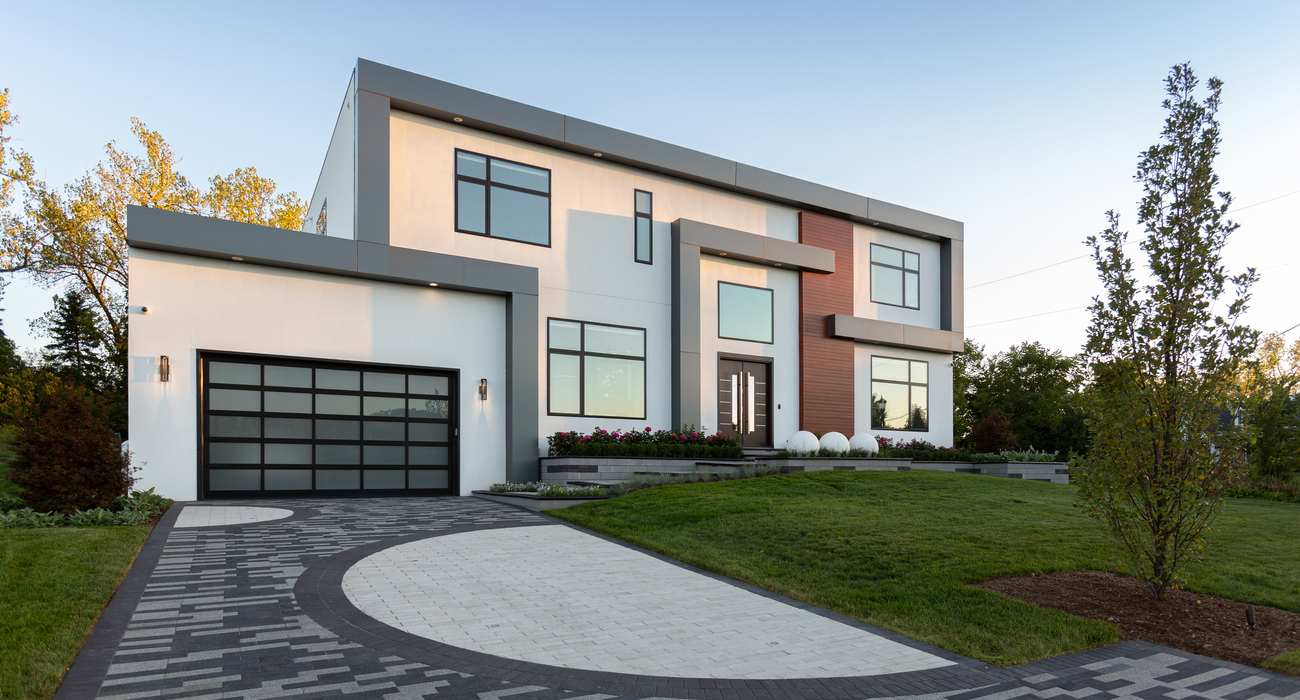
Look at the big fixtures first. The roof, the main body color of the house, the trim, and any visible retaining walls or seat walls. Aim for a color match in tone rather than the same color. A warm brown roof or warm wood siding suggests buff and caramel blends in the hardscape. A cool gray or slate roof pairs well with gray pavers and fog-toned jointing. Red brick on the facade does not require brick pavers for the ground plane; in fact, concrete pavers in cool neutrals can calm a busy facade and provide a polished counterpoint.
If you prefer bold, use accent features to carry that energy. Pillar caps, banding, or an inlay at a landing are great places to push colors while the main field remains easy to live with.
Understand Texture and How It Influences Color
Texture changes the way light reacts on the surface. Smooth pavers read slightly darker and more uniform. Textured pavers scatter light and can appear lighter or more natural depending on the blend. Natural stone pavers and granite pavers often deliver a layered visual with crystalline flecks that add sparkle in the sun. In a modern outdoor environment, a smooth or subtly blasted finish feels refined. In cottage landscaping projects, a tumbled or cleft texture looks timeless. The combination of color and texture is what creates visual interest without crowding the eye.
Warm and Cool Families and When to Use Each
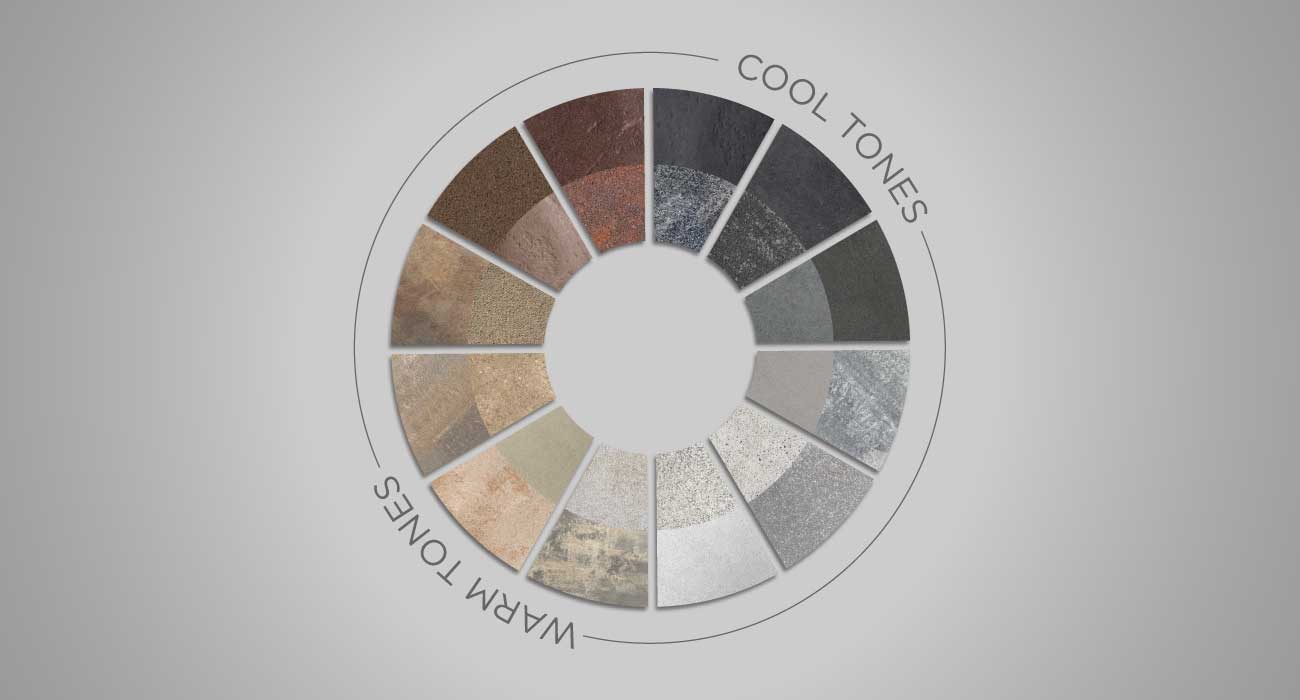
Warm families pull from sand, cream, and brown with hints of copper or soft red. These blends are friendly with natural cedar, tan stucco, and plantings with warm blooms. Cool families pull from stone gray, charcoal, and misty blue. These suites respect steel, glass, and white trim for a crisp contemporary look. Many projects use a warm field with a cool border or the reverse to keep things balanced. When deciding, study the greens in your yard. Bluish foliage and gray bark pair well with cool blends. Bronze grasses and warm stone mulch prefer a warm base.
Light Versus Dark and Comfort Underfoot
For pool surrounds and play terraces, light colored pavers are a good choice because they absorb less heat and feel better for bare feet. Around grill islands and outdoor kitchen counters, medium to darker colors can hide the odd drip. On driveways, a tone that conceals road dust keeps the entry tidy between cleanings. If your site is extremely sunny, a light field with a medium border softens glare while keeping comfort. If your site is treed and dim, a mid-tone field with a pale band keeps the space bright.
Patterns Borders and Combinations
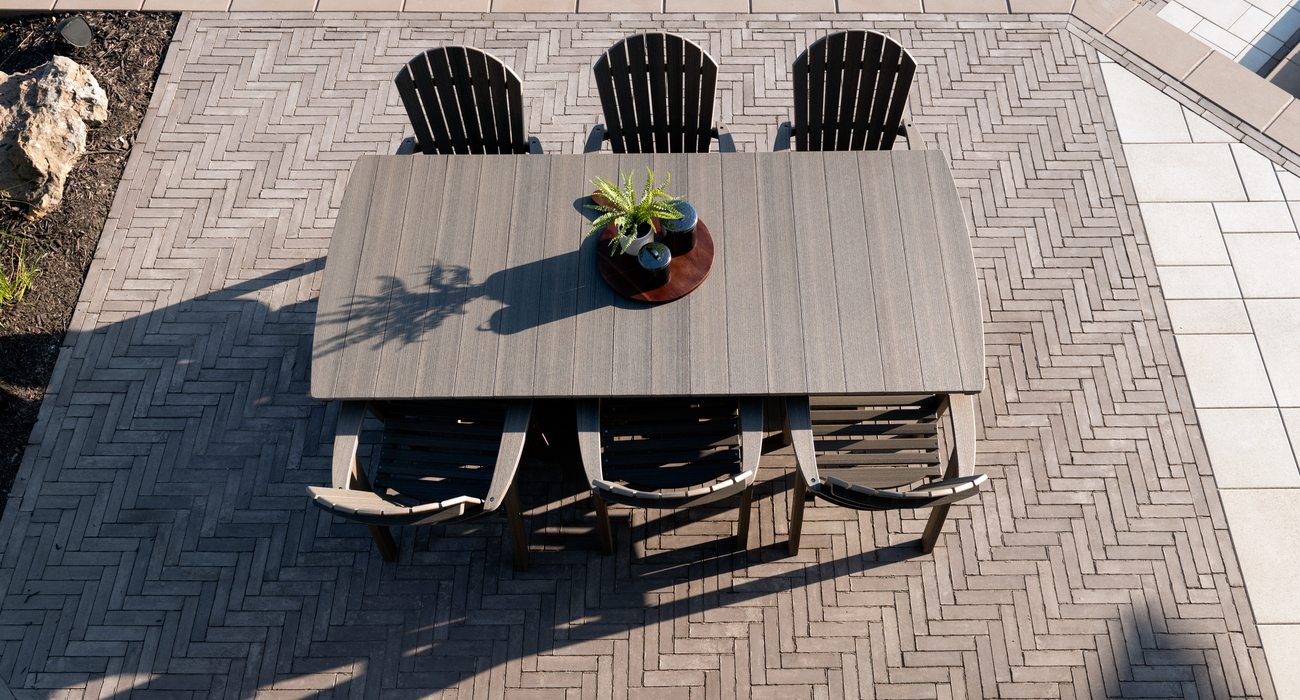
Color is only one lever. Patterns and banding shape how the eye moves. A simple running bond in a calm mid tone can be framed with a narrow dark border for crisp definition. A herringbone in a blended field with a slender light colored sailor course can widen a pathway’s corridor and direct movement to the door. An inlay can mark a dining zone or fire feature. Use borders to separate sand colored loungers from the paving and to create accent lines that truly enhance the whole composition.
Think About Joint Sand Color
Joints are part of the look. Pale jointing makes a field appear lighter and highlights the grid. Dark jointing recedes visually and emphasizes the paver shapes. If you want a seamless loft-inspired feel, match the joint tone to the body of the unit. If you want classic garden charm, increase the contrast so the pattern stands out. Plan your joint color while you choose paver colors so the final job reads as one idea.
Materials and Perception of Color
Different materials present color in different ways. Concrete pavers offer a wide selection of blends and mottled surfaces that echo natural stone. Brick pavers deliver classic reds, burgundies, and smoky charcoal saturations with a smaller module. Natural stone pavers such as granite, limestone, or sandstone provide depth and a more natural look with variegation that changes with light and season. Each category supports different colors and shades that can be used alone or in a tasteful mix when transitions call for it.
Climate Exposure and Maintenance
Color choices should account for constant exposure in your region. Strong sun softens highly saturated tones over time, so balanced shades often wear more gracefully. Areas with frequent rain ask for textures and blends that hide water spotting. Places with windblown dust or sand benefit from a warmer medium field that does not show every speck. In snowy zones, a color that harmonizes with sand and deicing products keeps the approach looking clean between storms. Choosing with maintenance in mind pays off over the years of use.
Special Zones and Their Needs
For pool terraces, light to medium cool blends keep the deck comfortable and help swimmers read edges and depth. For driveways, medium earth blends with a dark frame stand up to tires and look composed with the facade. For side pathways, stay near the wall color and add a slim, bright band to guide visitors at night. For retaining walls and seat walls, echo the field but shift slightly in value so vertical and horizontal planes do not merge into one block of tone.
Sample Like a Designer
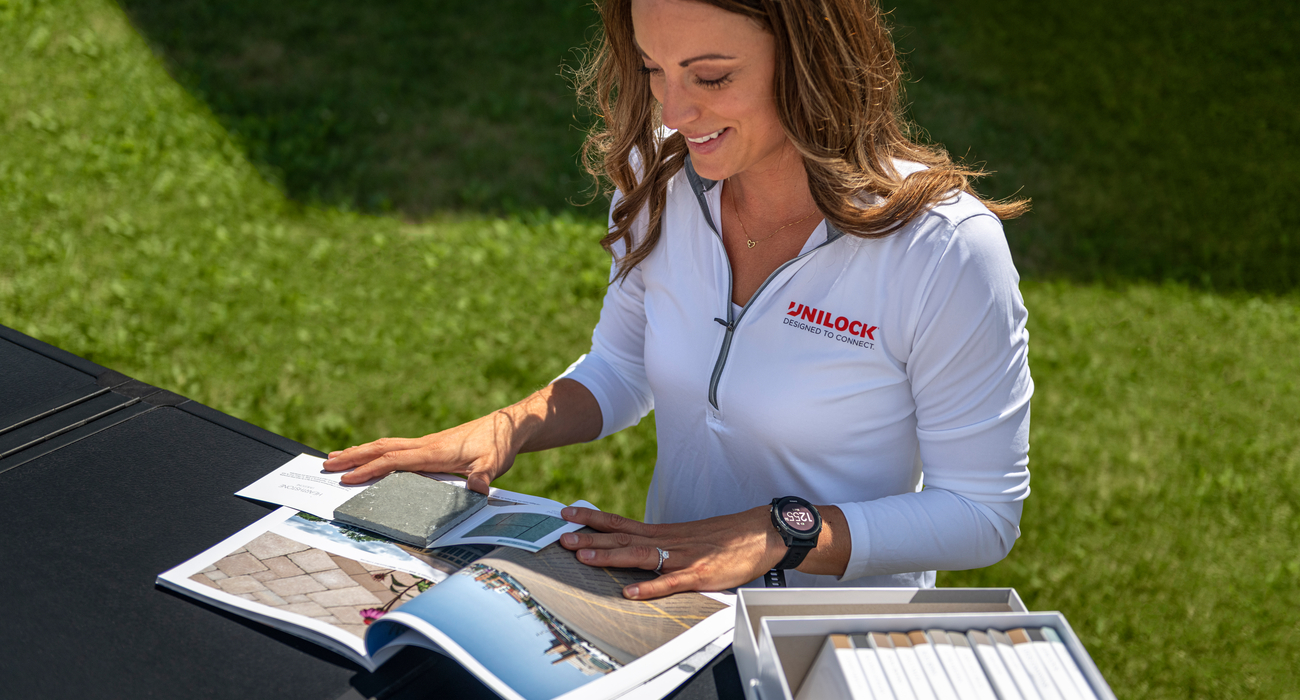
Sampling is simple and powerful. Take home several options from your local source and lay them on site. Place different colors near siding, stone, and trim. Move them next to plant beds. Check them when the sprinklers leave the surface wet and again when fully dry. Look from inside the home through the glass to see how the palette connects the interior and exterior. This is the surest method for how to choose paver colors that truly suit your home.
Color Longevity and Quality
Color performance is tied to material quality. A refined surface with concentrated color helps resist appearance change from wear on the top face. Products designed for high traffic keep their finish even when people and furniture move across them daily. When you choose pavers for the long run, ask about surface refinement and protective features that help color stability. Strong products paired with a thoughtful palette deliver both style and endurance.
Common Color Mistakes and How To Avoid Them
Many homeowners select a bright sample inside a showroom and then feel surprised by the intensity outdoors. Always verify under real sunlight. Another frequent misstep is to carry the same color across a very large terrace. A single tone can feel flat. Add a border or gentle accent to create depth. Finally, do not ignore the planting plan. The best hardscape palettes harmonize with foliage and bloom rather than compete with them.
A Simple Three Step Color Plan
First, gather choices that fit the architecture and the purpose. This narrows the field to cool or warm and to a few hues that match your surroundings. Second, test outside at multiple times of day. Confirm comfort for bare feet where needed and visibility at steps and edges. Third, compose the field, border, and accent as a complete idea. The combination delivers the result, not the field color alone.

Bringing It All Together
When you understand the purpose of the space, study the light, and listen to the architecture, how to choose paver colors becomes a creative and enjoyable part of the design. Balance warm and cool, mix muted colors with a single confident accent, and let texture support the story you want to tell. Test everything in your real outdoor environment. With a thoughtful plan and a coordinated palette, your outdoor pavers will enhance the home and garden, feel great underfoot, and stay beautiful through seasons of use.
By utilizing these tips, you will be well-equipped to choose the perfect paver colors for your next outdoor project. If you have questions or wish to learn more, connect with a Unilock Authorized Contractor.
Frequently Asked
Questions
What if my facade is busy with multiple materials?
Calm the ground plane with a quieter field in a mid-value and use a single border to frame the layout. This steadies the scene and lets the architecture lead.
Can I use warm and cool in the same project?
Yes. Many projects use a warm buff field with a cool charcoal border or a cool gray field with a warm tan band. The trick is proportion and repetition, so the accents reappear on steps or caps.
Do textured pavers hide dirt better than smooth pavers?
Often yes. Texture adds micro shadows that disguise dust. Smooth units are elegant and easy to squeegee but may show fine debris sooner, especially in backlit afternoon sun.
Will lighter tones show stains more?
Light surfaces can reveal dark spills. Good maintenance habits, such as sweeping and prompt cleanup, offset this. Lighter tones also reflect heat and are kinder to feet near water features.
Are granite pavers and other natural stone pavers too cool in tone for warm homes?
Not necessarily. Many stones carry warm veining or can be paired with a warm border to balance the composition.
Related Articles
We’re Here To Help
We make it easy to get inspired, plan, and start your project.

See our Catalog of Dreams
Explore ideas, spark inspiration, and see our full range of Unilock products.

Get your freeestimate today
Partner with a Unilock Authorized Contractor for best-in-class results.

Plan your dream project beautifully
Excited to start a new project? Get our Project Planning Guide and plan with ease.